

Understanding dyslexia: A different way of thinking
Dyslexia is more than just difficulty with reading and writing; it's a unique way the brain processes and understands information. While it can present challenges, it also fosters distinct strengths and perspectives. Join us to explore what dyslexia truly means.
What is dyslexia?
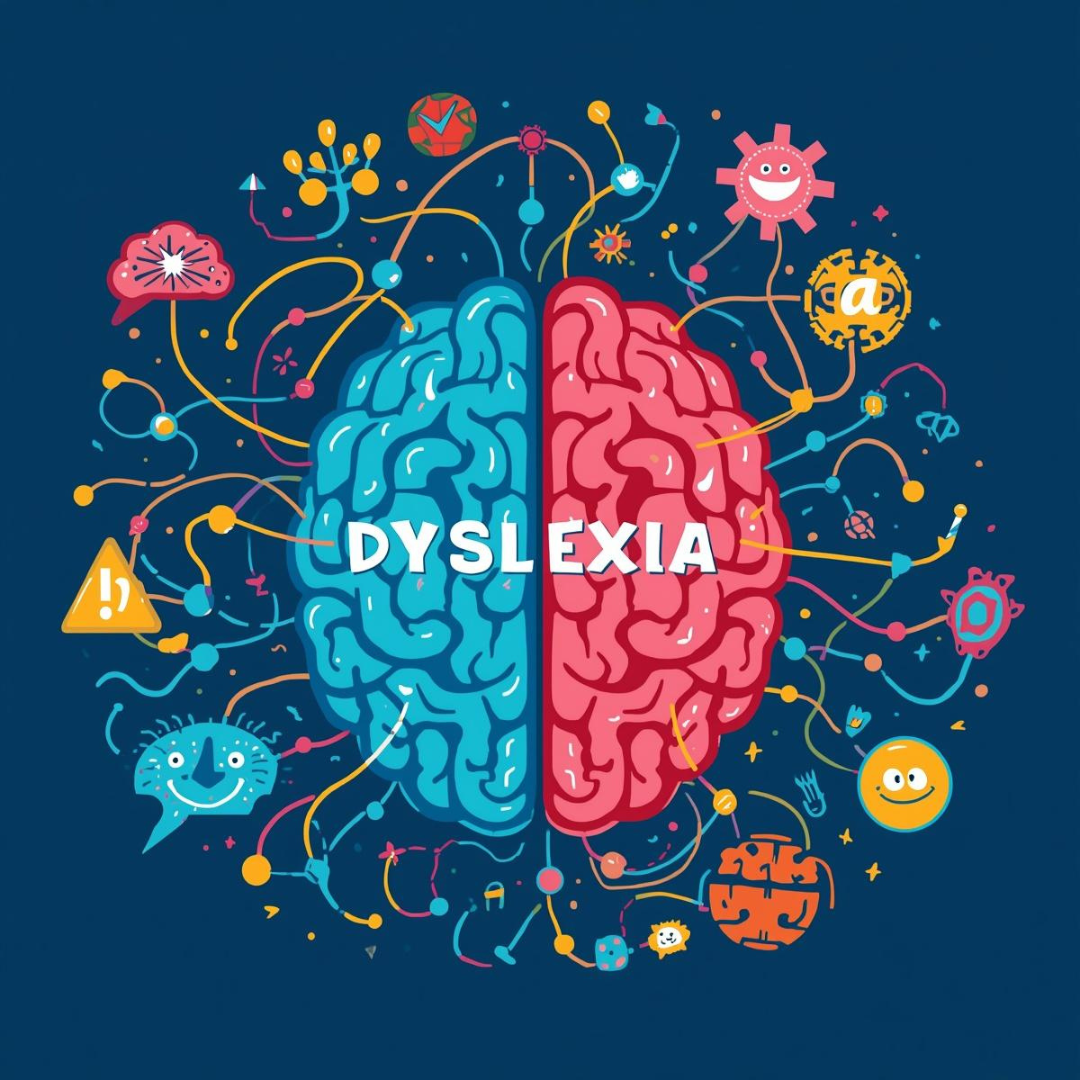
Dyslexia is a different way of the brain processing and understanding information. It is a common learning difference that mainly affects reading, writing and spelling. While this can create some challenges, particularly in schools, thinking differently and seeing things in a different way can be a strength. It does not reflect intelligence - children with dyslexia are just as capable of learning as their peers, they may just need a little guidance to recognise their own way of learning. It's important to celebrate the successes and strengths of each individual, as well as providing the right support to make learning more accessible and allowing individuals with dyslexia to demonstrate their knowledge and understanding without being hampered by challenges with literacy, processing speed, memory, and executive functioning.
A child with dyslexia might find it harder to recognise letters, match letters to sounds, read fluently, spell accurately, or remember sequences such as days of the week or times tables. They may also become tired or frustrated more quickly when reading or writing tasks take extra effort.
Dyslexia can look different in every child. Some children may struggle with reading from an early age, while others may show signs later as schoolwork becomes more demanding.
With the right support, children with dyslexia can thrive. Early identification, patient encouragement, and teaching approaches that suit their learning style can make a big difference to confidence and progress.

Common challenges faced by individuals with dyslexia
Dyslexia can present various difficulties in academic and daily life. These often include challenges with:
- Reading and language processing: Slow reading speed, decoding issues, confusing similar words, and poor reading comprehension.
- Writing and spelling: Persistent spelling mistakes, difficulties organising thoughts on paper, maintaining structure in essays, poor handwriting, and poor copying skills.
- Cognitive and organisational skills: Weak working memory, slow processing speed, organisational challenges, and sequencing difficulties.
- Other areas: Trouble with memorising maths facts (e.g., times tables), low self-esteem, and high levels of fatigue.

Strengths and positive attributes of dyslexia
Despite the challenges, individuals with dyslexia often possess unique cognitive strengths. These can include enhanced creative thinking, superior 3D spatial reasoning, and strong "big-picture" problem-solving skills. Many successful individuals across various fields attribute their achievements to these very strengths. We believe in nurturing these talents to help every individual thrive.
Seeking professional support for dyslexia
If you suspect your child might have dyslexia, seeking professional support is a crucial step. Early identification and tailored strategies can make a significant difference in academic success, personal development, and overall well-being. Our services, including diagnostic dyslexia assessments, training for schools and teachers, and dyslexia-friendly audits, are designed to provide the understanding and support needed to unlock potential.